
Ledger.com/Start® | Getting started® — Ledger Support
Learn how to begin with Ledger.com/start and configure your Ledger device. Explore wallet setup, security recommendations, software connectivity, account management, and more.
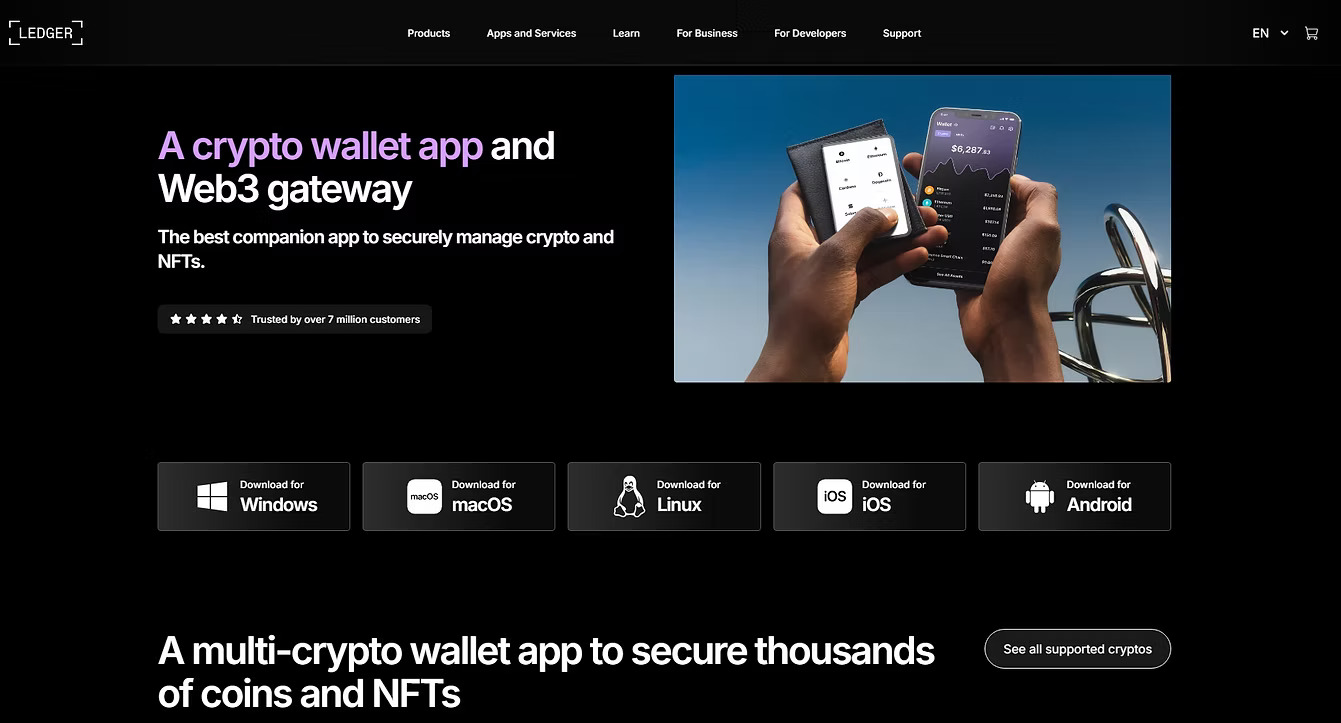
Ledger.com/start – Learn the Essentials of Ledger Wallet Setup
A hardware wallet can give cryptocurrency users a dedicated device for managing important wallet operations. However, getting the setup right is just as important as choosing the device itself. Ledger.com/start offers a starting point for users who want to learn about configuring a compatible Ledger wallet and developing safer digital-asset habits.
Check the Website Before Proceeding
Online cryptocurrency scams can involve websites that closely resemble legitimate services. Before beginning your setup, verify that you are accessing the official Ledger website.
Do not rely on links from unknown messages or websites. Always independently confirm the source before downloading wallet software or responding to security prompts.
Follow the Device Instructions
Connect your Ledger device as directed by the official setup information. Depending on your particular device, you may need to complete several configuration steps before the wallet is ready to use.
Read every prompt carefully. If something does not match the expected setup process, pause and seek information from an official source rather than guessing.
Keep Your Recovery Phrase Offline
The recovery phrase deserves special attention. It is a confidential backup that can be important when recovering wallet access.
Write down the phrase exactly as instructed and keep it in a secure location. Avoid storing it digitally, including in photographs, screenshots, email accounts, or cloud-based documents.
Never disclose the phrase to anyone. A person claiming to provide wallet support should not need your recovery words.
Explore Your Wallet Features
Once the setup is complete, become familiar with the wallet interface. Learn how to view accounts, check balances, examine transaction history, and review transaction information.
Understanding these features before making large transfers can help you feel more comfortable using the device.
Verify Every Transfer
Cryptocurrency transactions require careful attention. Before confirming a transfer, check the destination address and amount displayed by your trusted wallet environment.
Do not allow unexpected messages to pressure you into sending funds. Take the time necessary to confirm that the transaction is intended.
Stay Aware of Phishing
Phishing attempts may appear as emails, pop-ups, social-media messages, or fake support conversations. Some may claim that your wallet requires immediate verification.
Do not provide confidential wallet information in response. If you need help, independently navigate to official Ledger resources.
Build Long-Term Security Habits
Wallet security should continue after the initial setup. Use trusted software sources, keep your hardware device protected, monitor account activity, and remain cautious when dealing with unfamiliar cryptocurrency websites.
These simple habits can reduce avoidable risks and make wallet management more predictable.
FAQ
Q1. Why should I use Ledger.com/start?
It provides a starting point for official Ledger device setup guidance.
Q2. Where should I keep my recovery phrase?
Store it privately and securely offline where it is protected from unauthorized access.
Q3. Should recovery words ever be sent online?
No. Do not share your recovery phrase through websites, email, messaging apps, or social media.
Q4. Why is transaction verification important?
Carefully reviewing transaction details can help prevent errors before a cryptocurrency transfer is confirmed.
Conclusion
Learning the basics before using a hardware wallet can make cryptocurrency management much easier. Ledger.com/start provides an organized starting point, while careful website verification, recovery-phrase protection, and transaction checking help users develop responsible wallet-security practices.
Updated about 2 hours ago